Badminton Handbook · Chapter 10 of 16
Every shot explained
Clears, drops, smashes, net shots, kills, lifts, pushes, blocks, drives and serves: what each shot is, when to use it and how to play it.
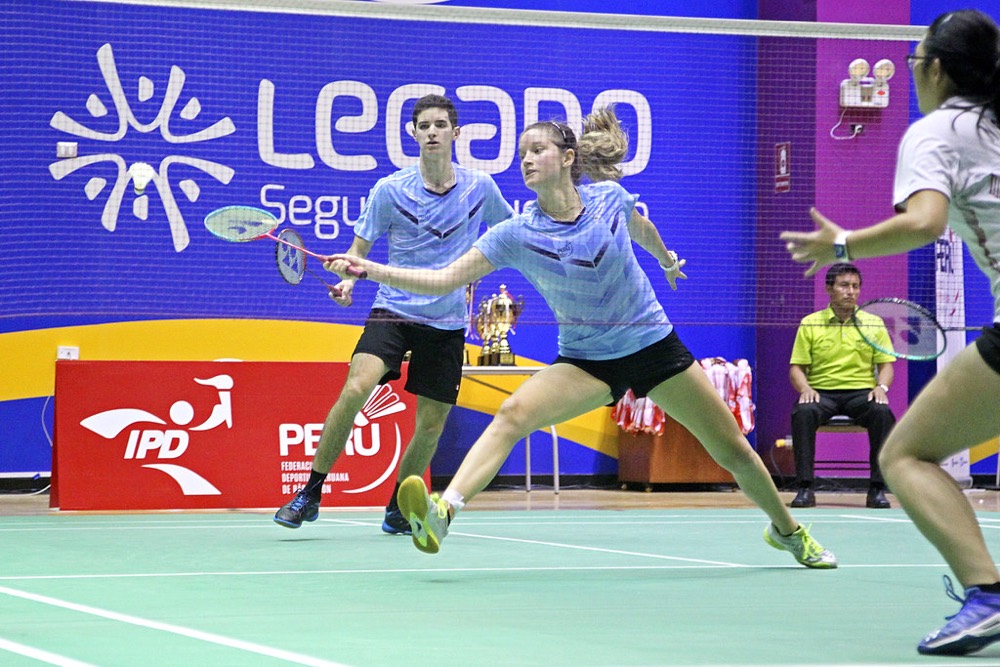
Badminton has a small number of shot families, and every shot is a variation on one of them. This chapter explains each shot in plain language: what it is, when to use it, and the key points to get right. Each name links to a full technique page with step-by-step instructions, common faults, practice drills and a video.
Tip: before learning shots, get comfortable with the grips. Most of the faults in this chapter start with the wrong grip.
1. Overhead shots
Played above your head from the back or middle of the court. All overheads start with the same preparation: turn side-on, racket arm up and back, non-racket arm pointing at the shuttle, weight on the back foot. Disguise comes from keeping that preparation identical, so the opponent cannot tell which one is coming.
Clear
What: a high, deep shot from your back court to your opponent's back court. When: to push the opponent back, buy time to recover, or reset a rally you are losing. Key points: hit high and in front of your racket shoulder, throw the racket up through the shuttle, and aim to land on the back line. A short clear is an easy smash for the opponent.
- Attacking clear: flatter and faster, just over the opponent's reach, to get behind them when they are coming forward.
- Defensive clear: extra high, to give yourself maximum time when you are out of position.
- Backhand clear: from the rear backhand corner with the bevel grip, a short, snappy swing using the forearm and thumb.
Drop shot
What: a shot from the back court that falls just over the net into the opponent's front court. When: to bring an opponent forward after you have pushed them back, or when they are waiting for a smash or clear. Key points: use the same preparation as your clear and smash, then slow the racket down at the last moment (or slice it). The shuttle should be falling as it crosses the net, not rising.
- Slow drop: lands close to the net; needs very good disguise because it gives the opponent time.
- Fast (slice) drop: the racket face cuts across the shuttle, so it travels faster and steeper and lands around the short service line.
- Reverse slice drop: sliced the opposite way, so it goes cross-court when the opponent expects straight. Advanced.
- Backhand drop: from the rear backhand corner; one of the most useful shots when you cannot get round-the-head.
Smash
What: a fast, steep shot hit downward, the main attacking shot and the fastest shot in any racket sport. When: whenever the shuttle is high enough and not too deep, especially from mid and rear court on a short lift. Key points: get behind the shuttle, contact it high and in front of your body, and generate speed from the legs, hips, trunk rotation and forearm (pronation). Steepness matters more than raw speed: a steep smash is harder to defend.
- Cross-court smash: angled diagonally to move the defender sideways; travels further, so recover well.
- Jump smash: a higher contact point for a steeper angle; powerful but tiring and high-impact, so use it selectively (advanced players).
- Stick smash: a short, compact swing with a sharp finger squeeze; useful when you are under pressure or close to the net.
- Half smash: slower and more controlled, aimed steeply at the side lines or the opponent's body; great for building an attack.
Round-the-head shot
What: an overhead played on your backhand side but with a forehand, by moving behind the shuttle and hitting it over or behind your head. When: whenever you have time to get there, as it is stronger than a backhand overhead and lets you play every overhead (clear, drop, smash). Key points: bend the trunk sideways, push off well to recover, because this shot pulls you further into the corner.
2. Net shots
Played in your front court, close to the net. The aim is either to force your opponent to lift (giving you the attack) or to finish the rally. Get there early: the higher you take the shuttle, the more options you have.
Net shot
What: a soft shot that just clears the net and falls close to it on the other side. When: when the opponent has played a drop or net shot to you, to make them lift. Key points: lunge with the racket foot, racket arm extended, gentle touch with the fingers; contact as close to the top of the net as you can.
- Tumbling net shot and spinning net shot: the racket face cuts under or across the shuttle so it spins and tumbles, making it very hard to return cleanly.
- Backhand net shot: the same shot on your non-racket side with the thumb grip.
Net kill
What: a short, sharp downward hit when the shuttle comes back high over the net. When: any time the opponent's net shot rises above the tape. Key points: racket up early, short tap from the fingers (not a big swing), and do not touch the net. When the shuttle is very close to the tape, use a brush (wiper) kill: the racket brushes sideways across the shuttle to avoid hitting the net.
Lift
What: a high shot from your front court to the opponent's back court. When: when you are too late for a net shot; it buys time, but it hands the attack to the opponent, so make it high and deep. Key points: lunge, short swing using the forearm and fingers, aim for the back line. See also the backhand lift.
Push
What: a flat, gentle shot from the front or middle of the court into the gap behind the opponent's front player or towards their mid-court. When: mostly in doubles, when the shuttle is too low to kill but you want to keep it down. Key points: racket face flat, short push from the fingers, keep it below the opponent's shoulder height.
3. Defence and drives
Midcourt shots played at or below shoulder height, mainly in doubles and when returning smashes. Stay low, keep the racket in front of you, and use short swings.
Block
What: a soft return of a smash that drops just over the net. When: to take the pace off a smash and make the attacker move forward. Key points: relaxed grip, racket face held still, let the shuttle rebound; aim straight to the net in front of you or cross-court to move the smasher further.
Defensive lift (long defence)
What: returning a smash high and deep to the back court. When: when you need time, or the attacker is close to the net. Key points: short, firm swing; get under the shuttle; aim for the back line so the next smash comes from far away.
Drive
What: a fast, flat shot that travels just above net height, parallel to the floor. When: when the shuttle is at about shoulder height in the middle of the court, often in doubles. Key points: racket up, short and fast swing, contact in front of the body. The backhand drive uses the thumb grip. In a flat exchange both players drive back and forth; the first to hit up usually loses the attack.
Counterattack
What: turning a defensive return into an attacking one, by driving the smash back flat and fast instead of lifting. When: when the smash is not very steep or is aimed at your body. Key points: early racket, short swing, aim at the gaps or the attacker's body.
4. Serves
Every rally starts with a serve. Under the current rules the whole shuttle must be below 1.15 m when you hit it, and the racket must move forward continuously. See Rules & scoring.
Low (short) serve
What: a soft serve that just clears the net and lands on or near the short service line. When: the standard serve in doubles and very common in singles. Key points: usually backhand with the thumb grip; push gently with the thumb, keep the swing short and the same every time.
High serve
What: a forehand serve hit very high to fall vertically on the back line. When: the standard serve in singles, especially women's singles and lower levels. Key points: full forehand swing from low to high, contact in front of the body, aim for maximum height.
Flick serve
What: looks like a low serve, then flicks over the receiver's head to the back. When: against a receiver who rushes the net. Key points: identical start to your low serve, then a quick wrist and thumb flick at the last moment.
Drive serve
What: a flat, fast serve at the receiver's body or shoulder. When: occasionally in doubles, as a surprise. Key points: fast and flat; a predictable drive serve is easy to punish.
Which shot, when? A quick guide
| The shuttle is… | Good choices |
|---|---|
| High and short (mid court) | Smash, half smash, fast drop |
| High and deep (back line) | Clear, drop, slice drop; smash only if you are behind it |
| Above the tape at the net | Net kill or brush kill |
| Just below the tape at the net | Net shot, spinning net shot, push |
| Low at the net and you are late | Lift, high and deep |
| Shoulder height in mid court | Drive, push, counterattack |
| Coming fast at you from a smash | Block, defensive lift, counterattack drive |
Then practise them: Shots & strokes has every shot with drills, and the Drills section combines them into rally patterns.
It's free. If it helped your game, you can support it.