Badminton coaching articles
35 short, practical guides for players of every level.
Singles strategy
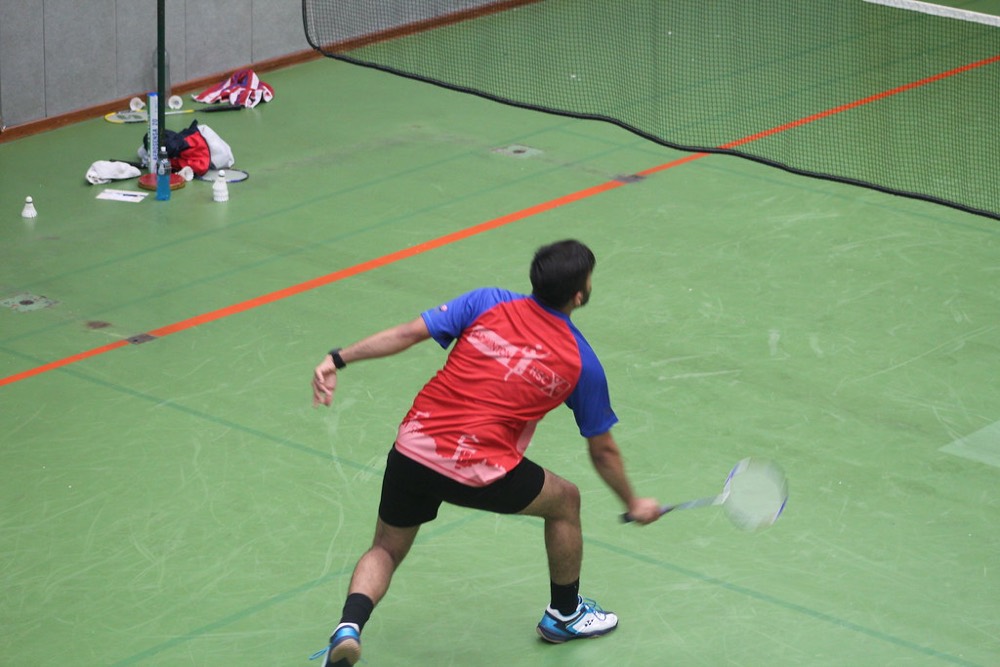 Move Them Around: The Four-Corner Plan for SinglesWhy singles is a game of distance, and a simple plan for making your opponent run further than you.
 How to Play Someone Better Than YouFind the one or two things that still work, keep rallies long, and turn a loss into useful learning.
 Breaking Down a Patient DefenderWhen everything comes back, change angle and pace rather than just hitting harder.
Doubles strategy
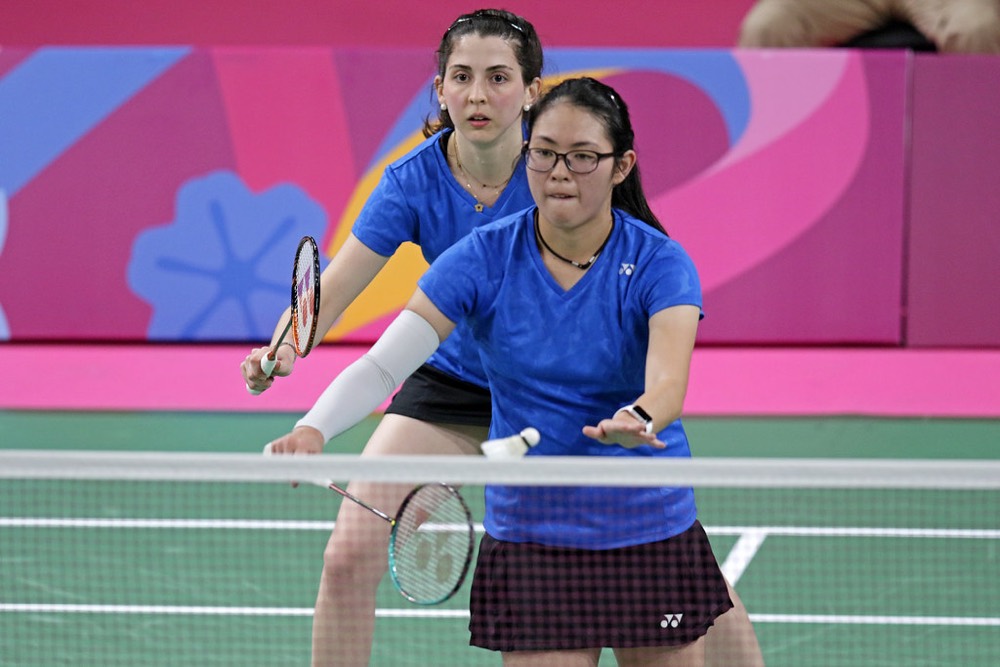 Front-and-Back Attack: How a Doubles Pair Works TogetherThe back player creates, the front player finishes. Here is how to make the system click.
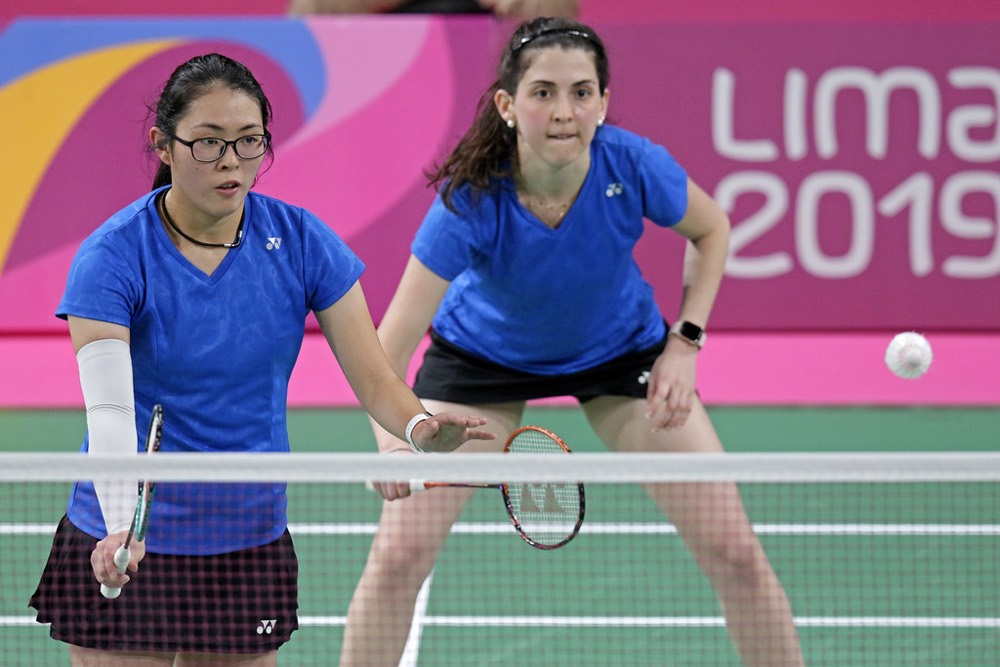 From Defence to Attack in DoublesSide-by-side defence is not just survival. Here is how to spot the moment to turn the rally around.
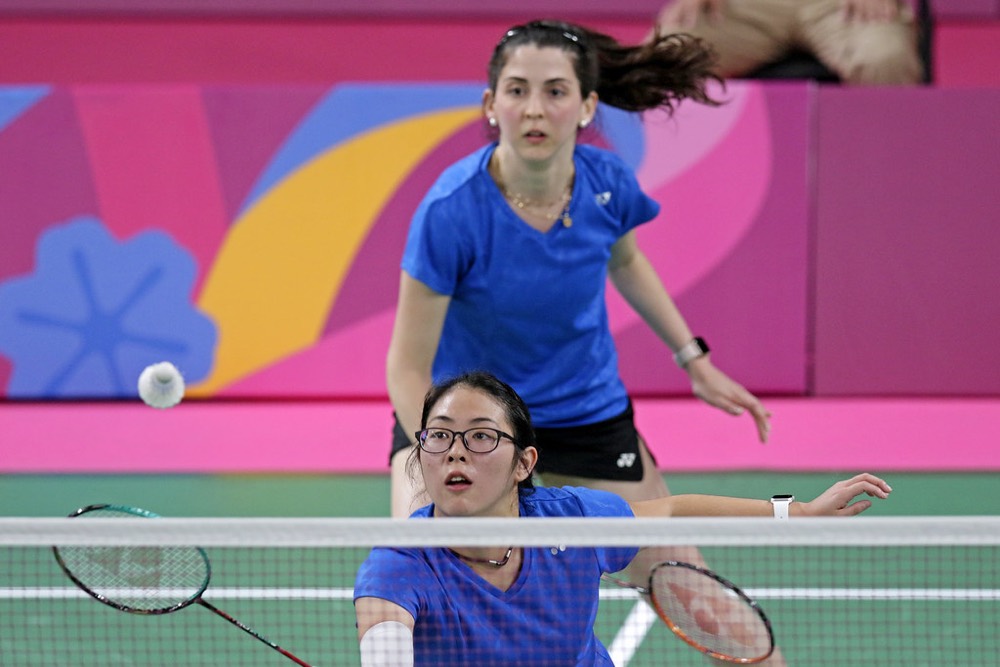 Push, Drive or Block? Winning the Flat Midcourt BattleFast, flat exchanges decide many doubles points. A simple way to choose the right shot.
 Mixed Doubles: Roles, Positions and RotationsThe traditional net-and-back formation, why it works, and how modern pairs are more flexible.
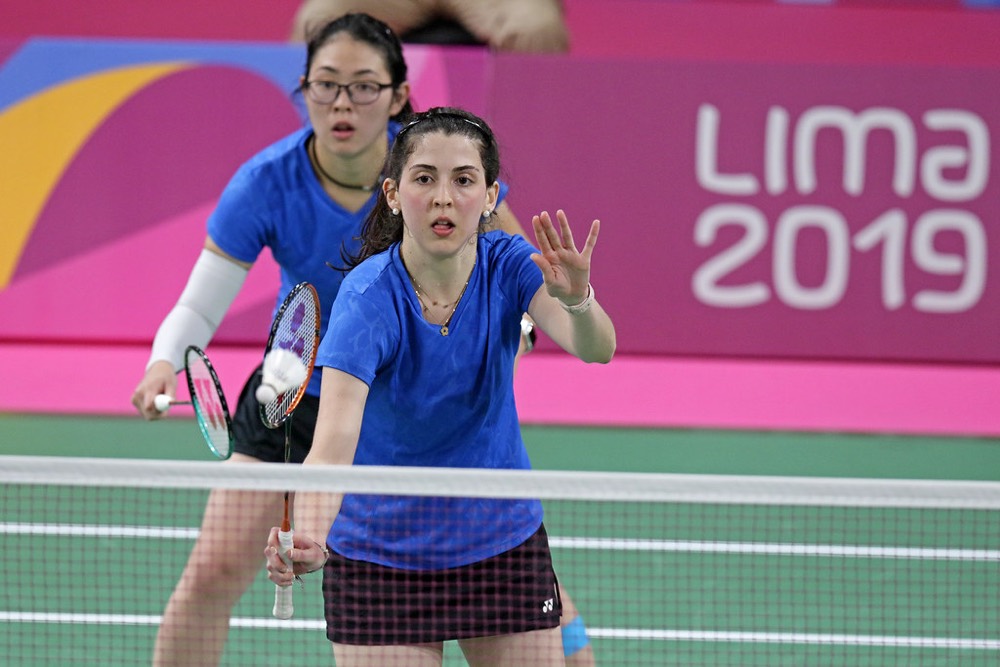 Serve, Return and the Third Shot in DoublesThe first three shots often decide who attacks. A practical plan for the serving pair.
Technique
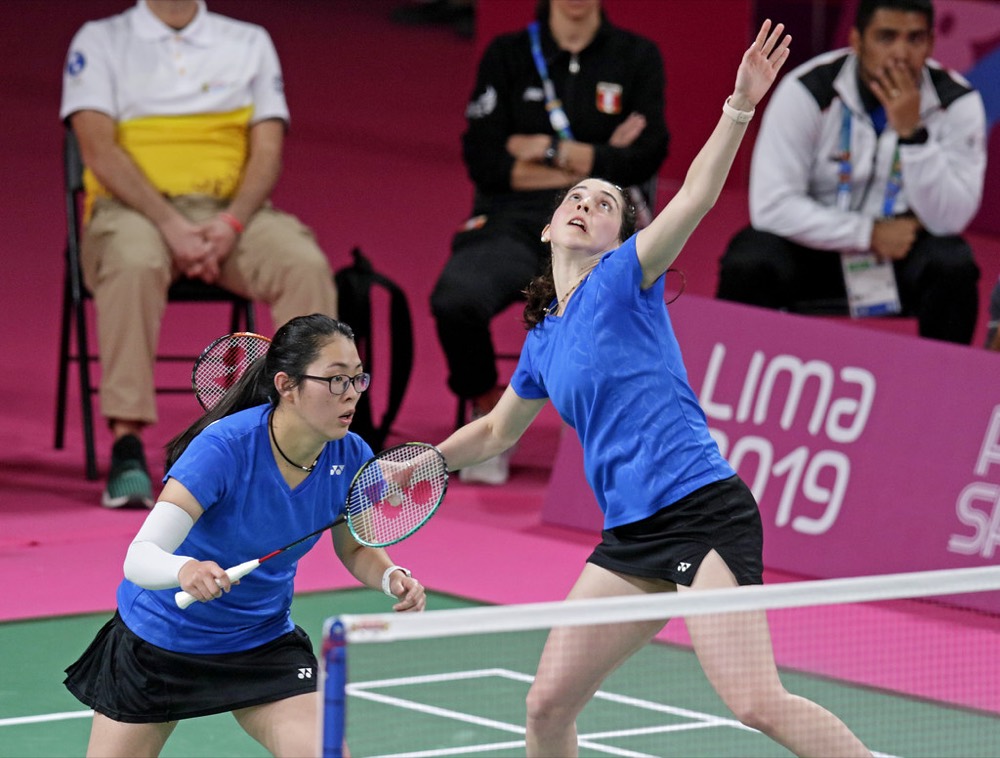 Why Your Backhand Feels Weak (and How to Fix It)Most weak backhands are a grip, preparation or contact-point problem, not a strength problem.
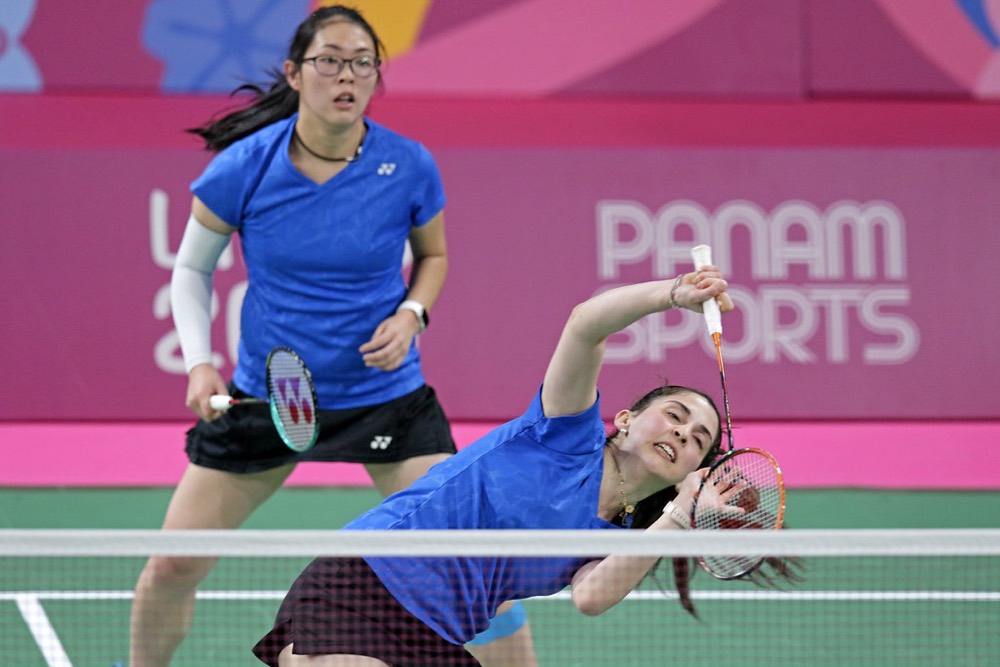 Round-the-Head or Backhand? Choosing in the Rear Backhand CornerTwo ways to handle the hardest corner on court, and how to pick between them.
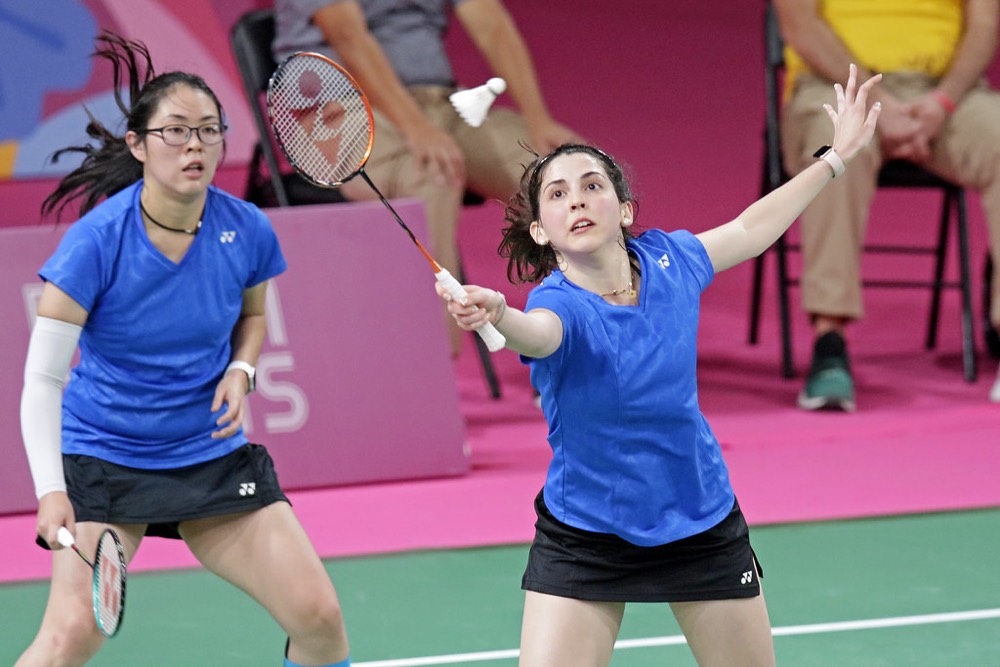 Disguise: Making Every Overhead Look the SameDeception is built on identical preparation and a late decision, not tricks.
Footwork
 Timing Your Split StepThe small hop that makes you faster, and the most common timing mistake.
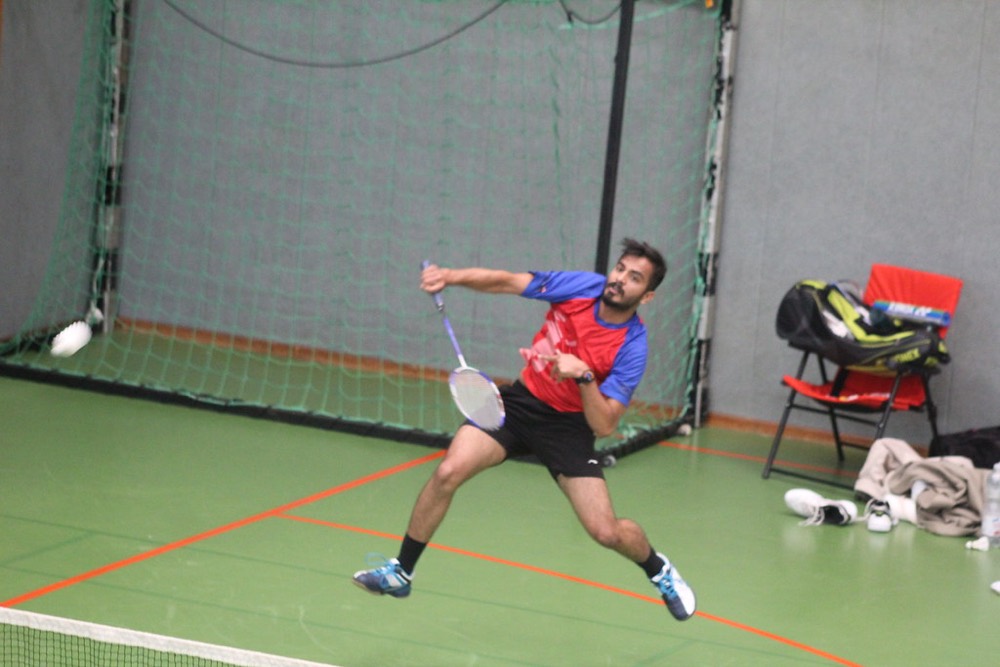 Lunge Well: Reach Further, Recover FasterA good lunge saves energy and protects knees and back. Here is what to check.
Mental game (matches)
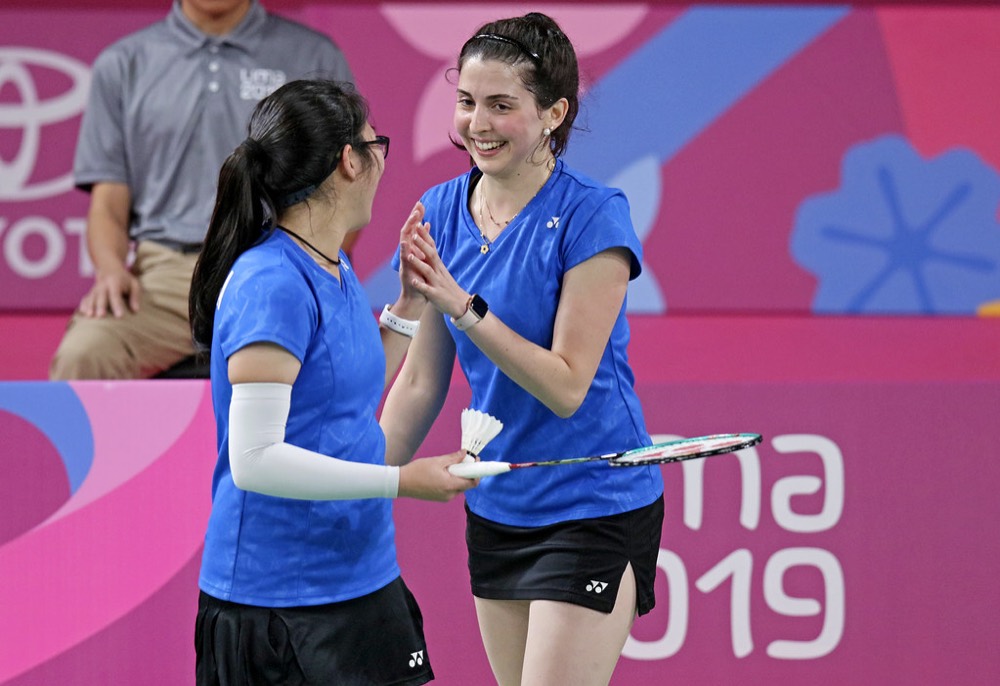 What to Do Between PointsThose few seconds between rallies are free time to reset, plan and breathe. Use them.
 Closing Out a Game Under PressureWhy players tighten up near the finish, and a plan that keeps you playing your game.
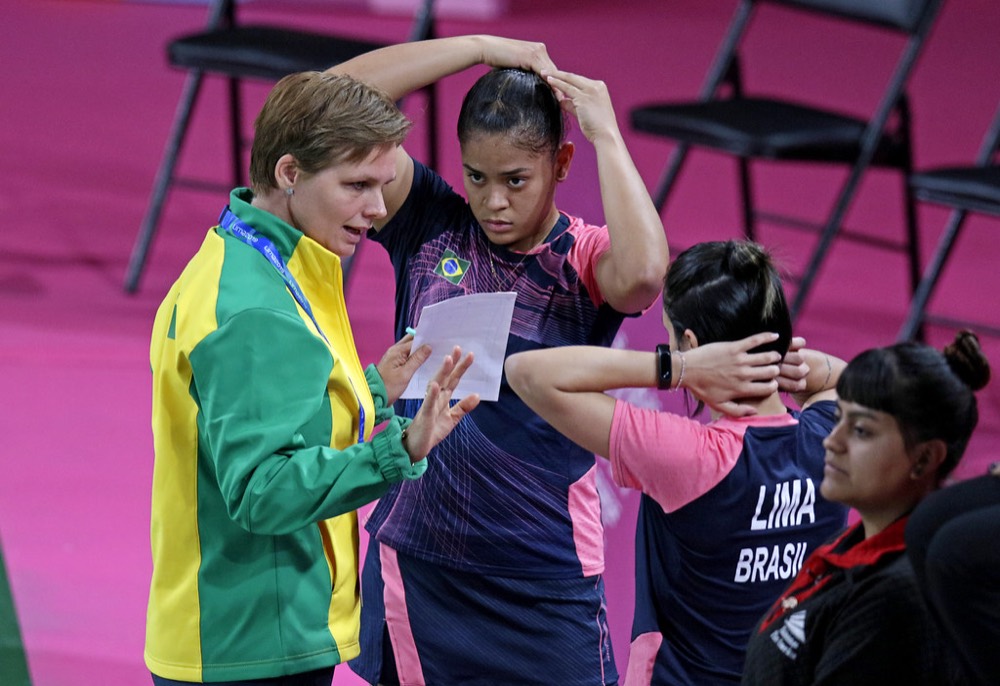 Why You Play Worse in Matches Than in PracticeIt is not only nerves. Practice and matches are different, so train for the match.
Mental fitness
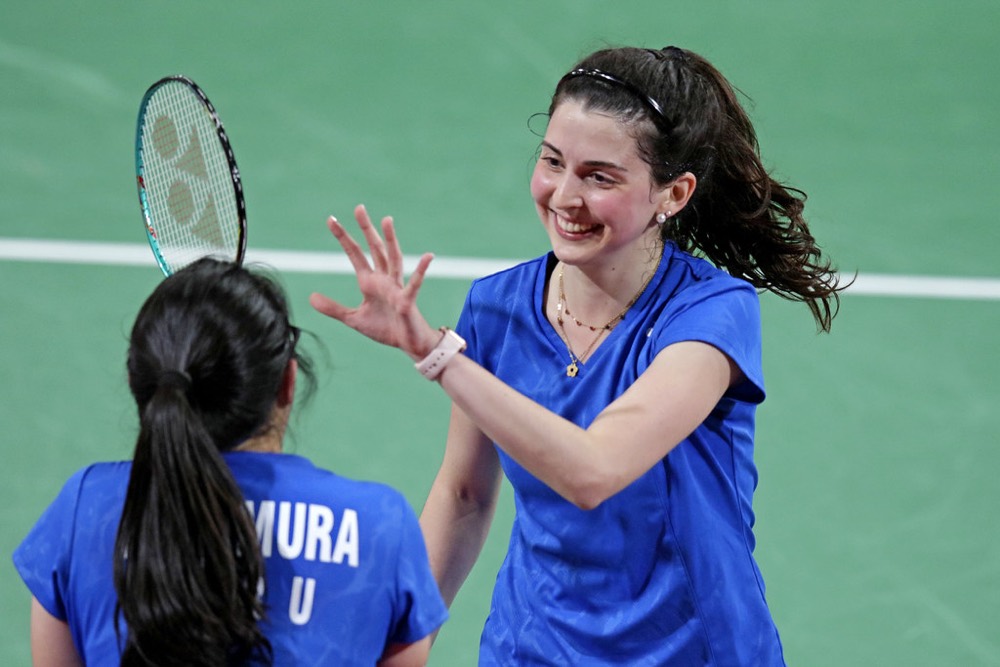 Building Real ConfidenceConfidence comes from evidence, not from feeling confident. How to build it on purpose.
 Handling Nerves Before a MatchNerves are normal and can even help. Simple ways to keep them at a useful level.
 Focus: Staying in the Present RallyConcentration is a skill you can train. Where to put your attention, and how to bring it back.
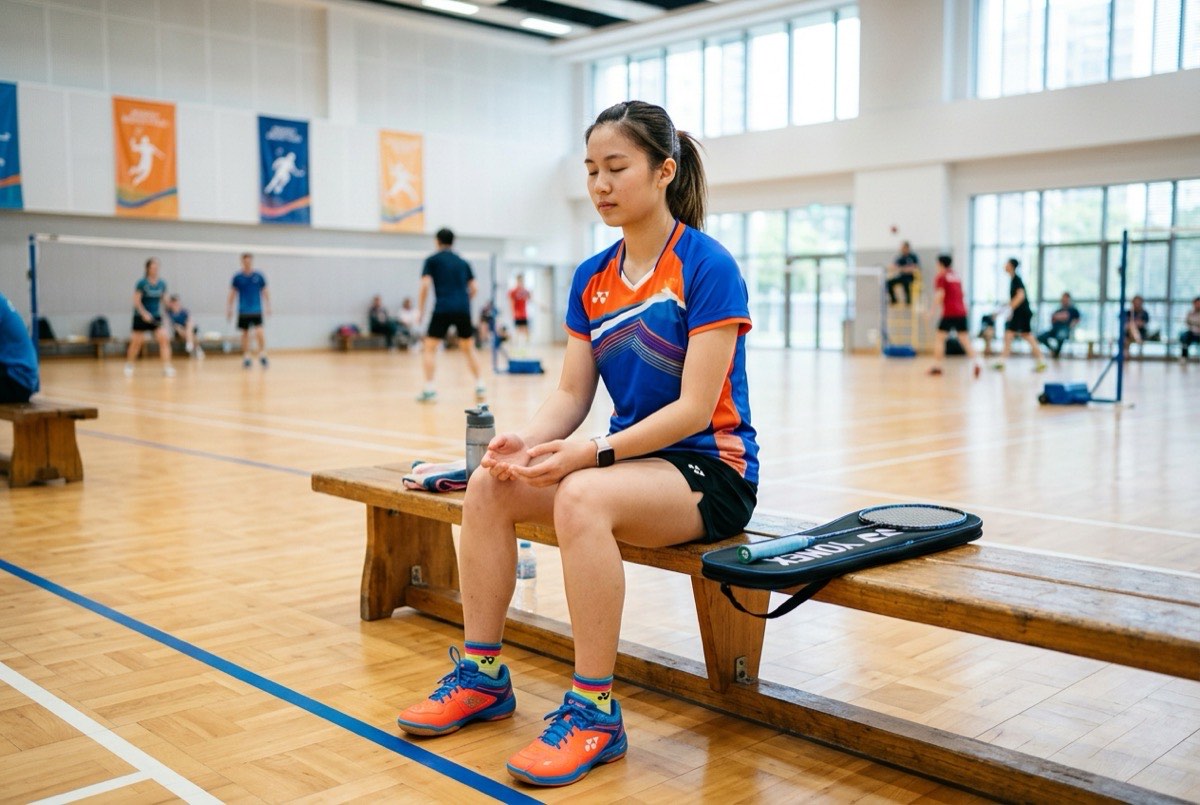 Visualisation: Practise in Your HeadMental rehearsal adds to physical practice. How to do it so it actually helps.
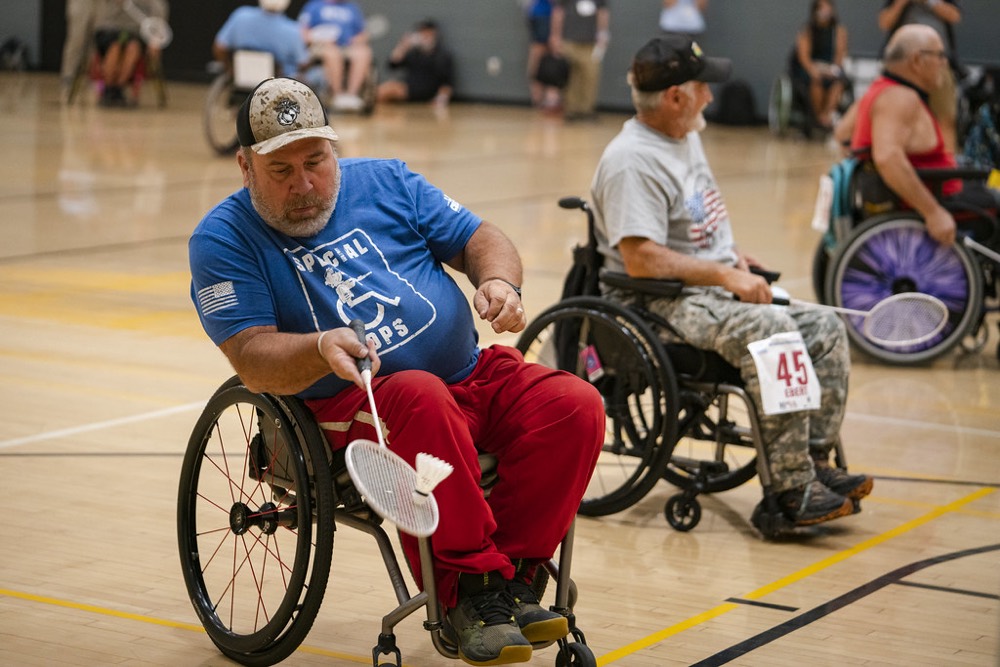 Motivation and Goal-SettingGoals that keep you motivated: focus on what you do, make them specific, and celebrate progress.
 Bouncing Back from Losses and MistakesEveryone loses. How to learn from it, let it go, and come back stronger.
 Avoiding Burnout: Sleep, Stress and RestSigns you are doing too much, and the habits that keep body and mind fresh.
Safety & wellbeing
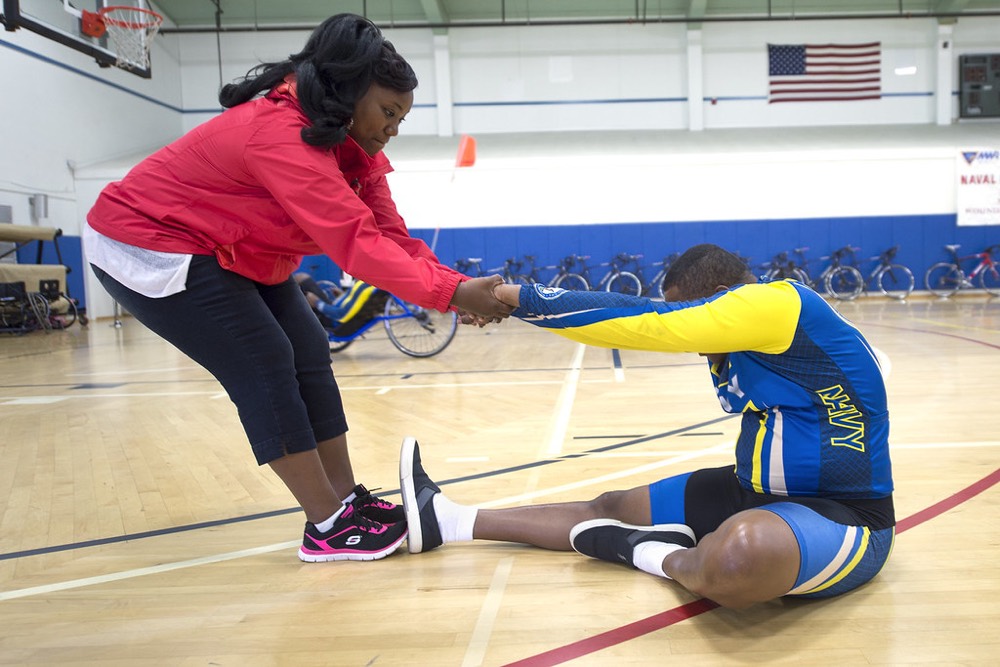 Warming Up and Staying Injury-AwareA good warm-up, sensible progression and listening to your body lower the odds of getting hurt.
 Heat, Hydration and When Not to PlayBadminton halls get hot. How to stay hydrated, spot heat illness, and decide whether to play when unwell.
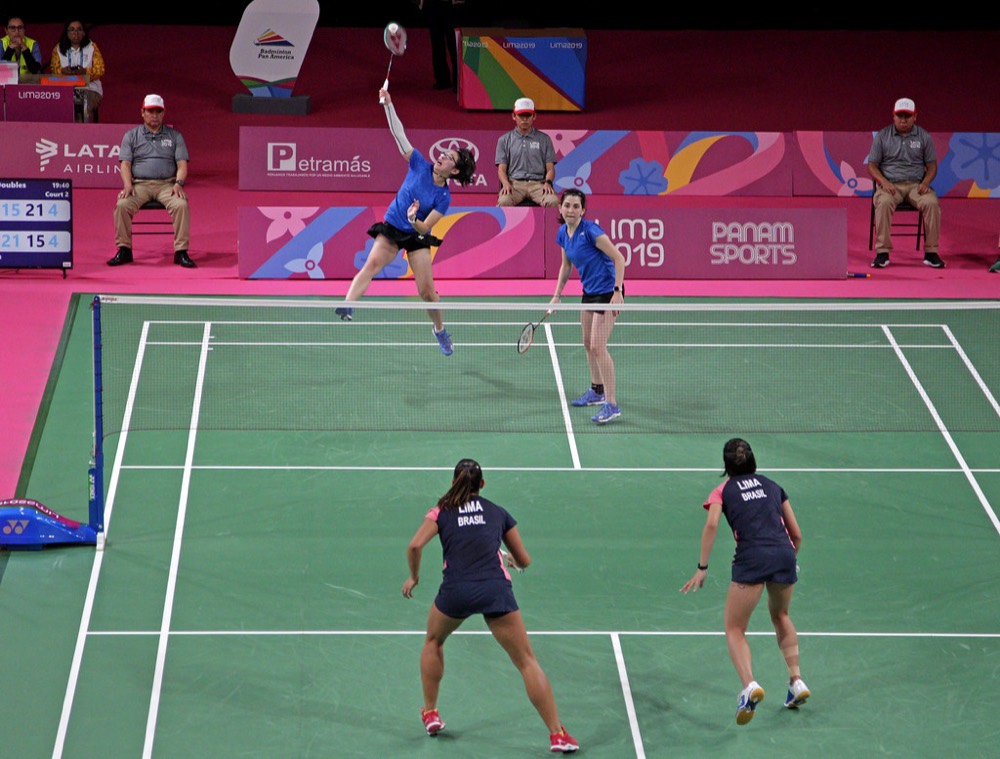 Eye Safety at the NetA shuttle travels fast and fits the eye socket. Simple habits that protect your eyes, especially in doubles.
 When to Stop and See a ProfessionalClear signs that mean stop now, see someone soon, or call for emergency help.
Training & practice
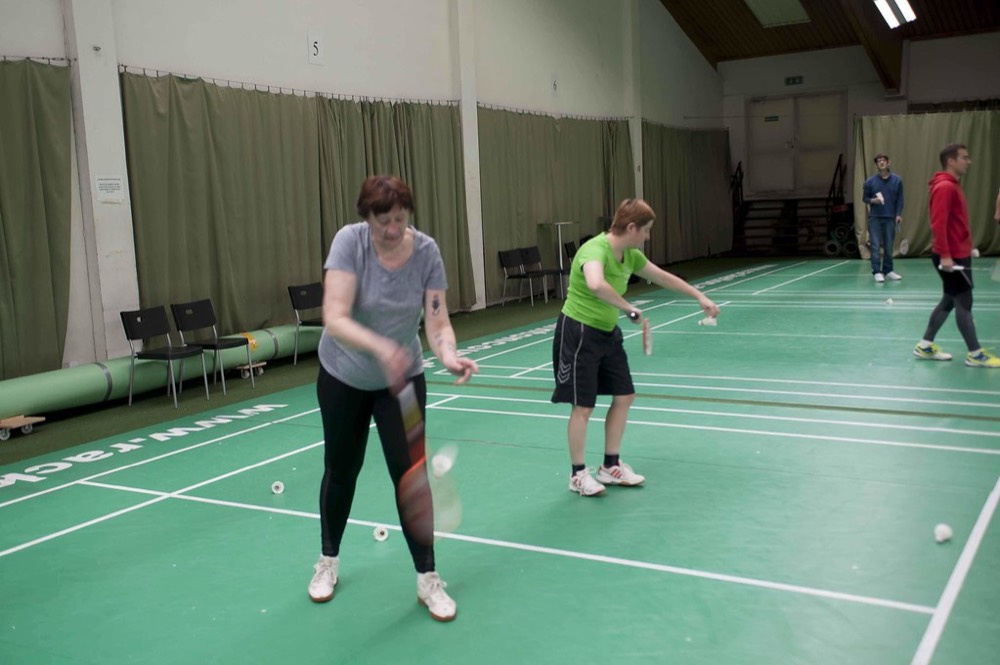 Getting Better When You Are BusyLimited time? Focus on what moves the needle most, and train smart around your playing days.
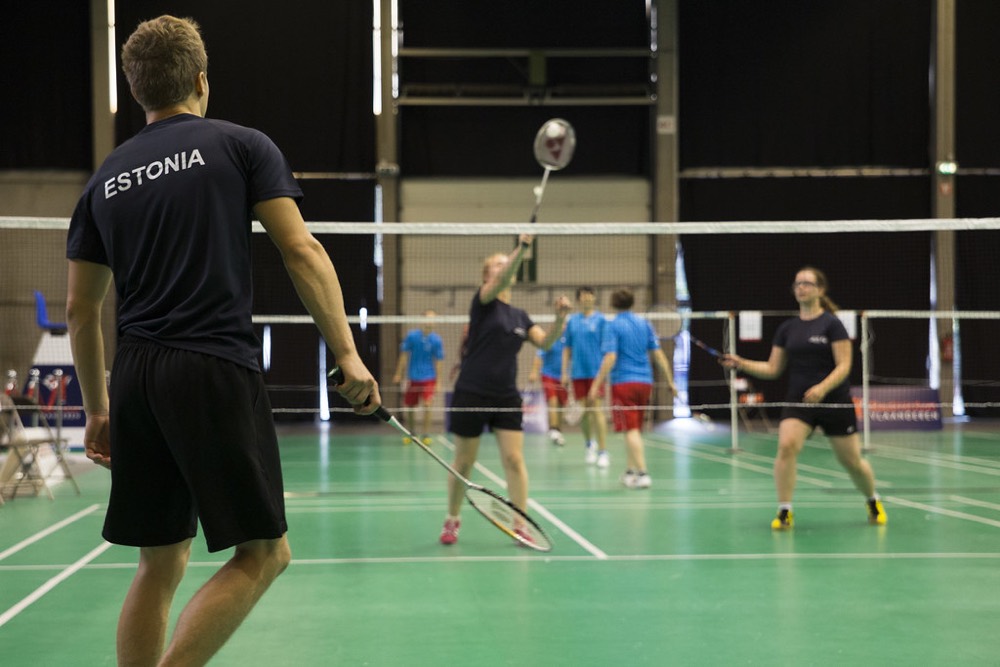 Practise the Situations You LoseTurn your match losses into a practice list, then rebuild those exact situations in training.
Match prep
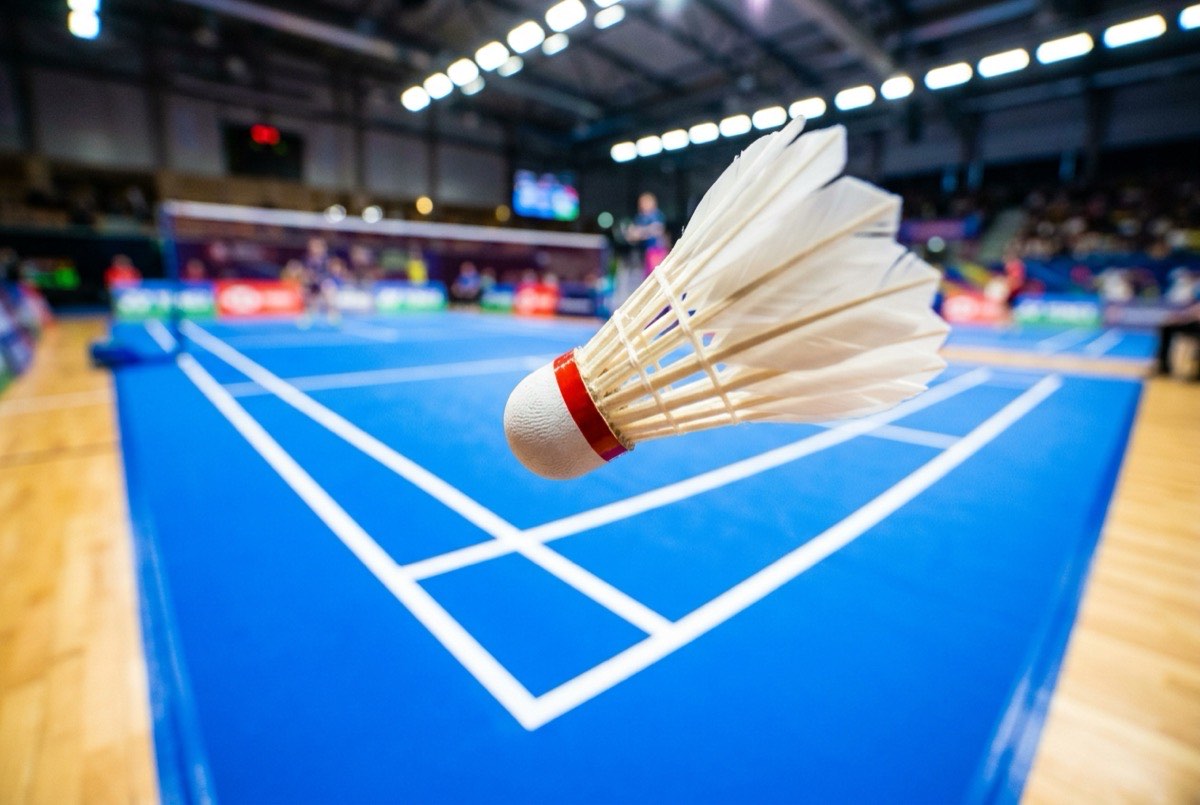 Drift, Fast Shuttles and Slippery HallsEvery venue plays differently. How to read the conditions in the warm-up and adjust.
 Your Match-Day RoutineWhat to eat, pack and do before you step on court, so your body and mind are ready.
Getting better
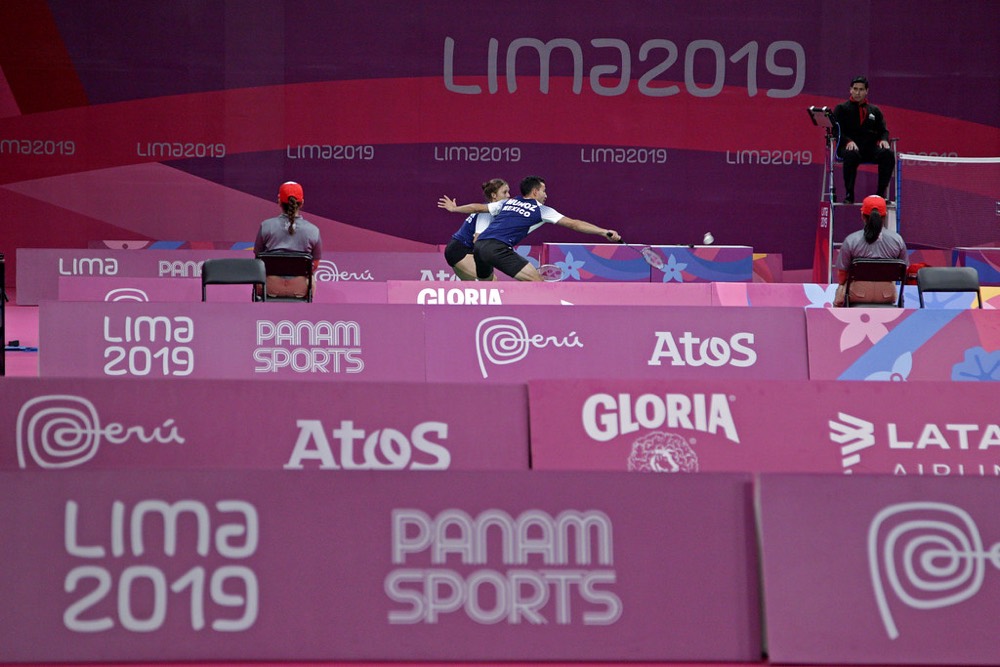 Filming and Reviewing Your Own MatchesA phone and a simple checklist can show you what you cannot feel on court.
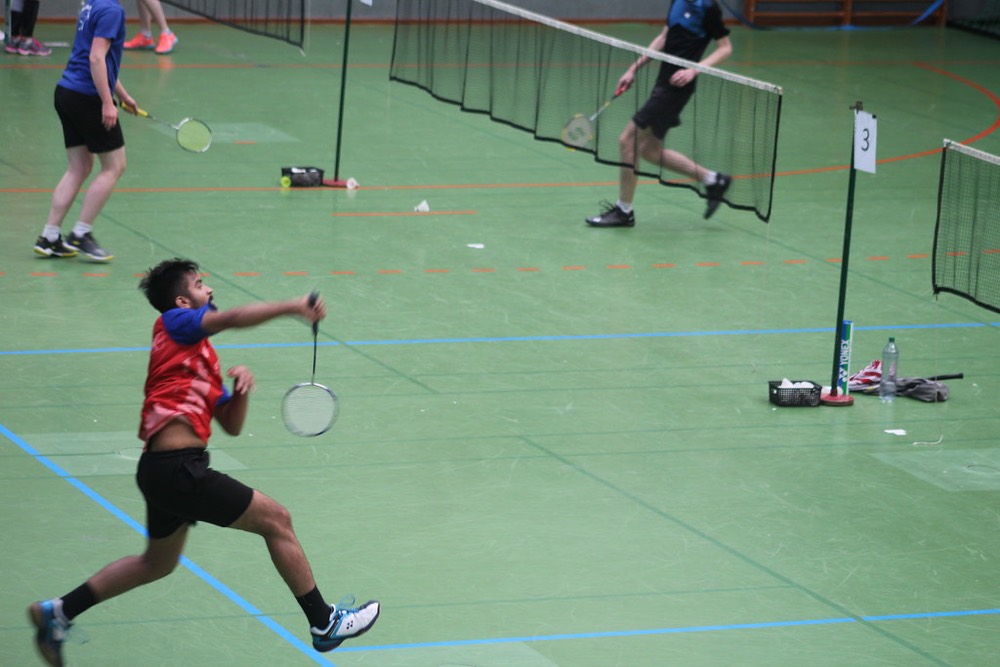 What Level Am I? Beginner to ProfessionalPractical signs of each level, so you can set the right level in ShuttleScience and train appropriately.
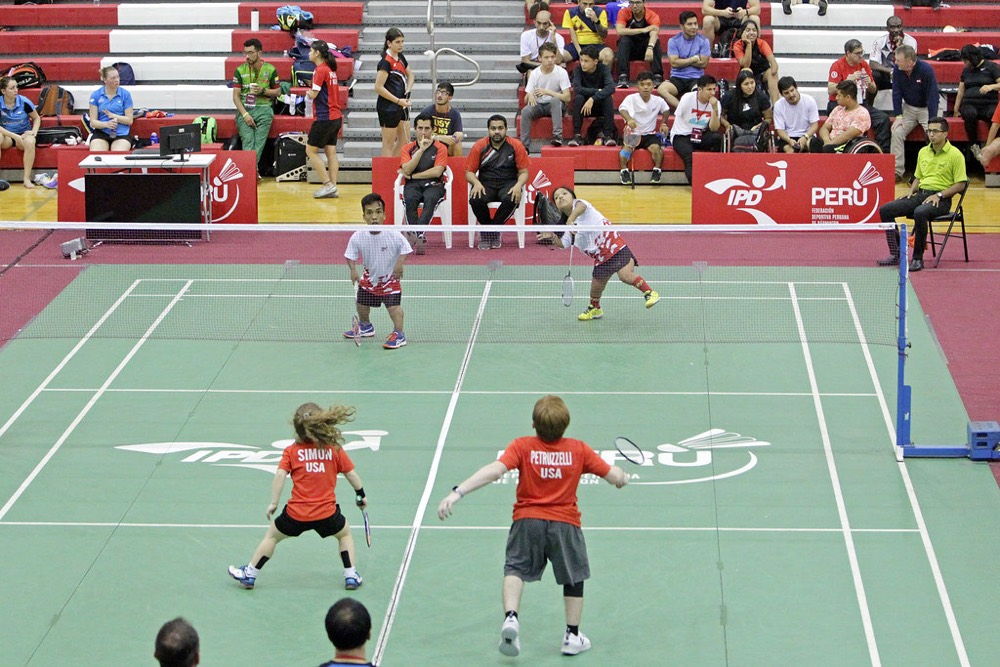 Helping Your Child Love Badminton: A Parent's Guide
 Fun Badminton Games for Kids at Home