Badminton Handbook · Chapter 2 of 16
Why play badminton? The benefits
What badminton does for your heart, legs, bones, reflexes, mood and social life, how much play counts, and what the research says.
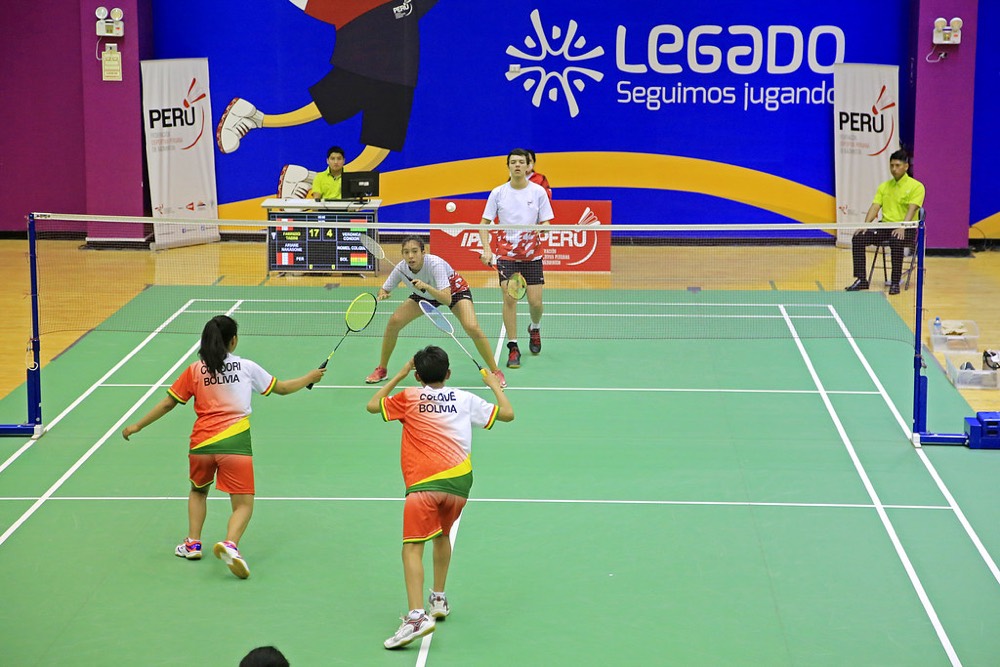
Badminton is one of the few sports you can start at 6 and still play at 80, indoors in any weather, with a partner of any level. Played regularly, it trains the heart, legs, bones, reflexes and mind at the same time, and because it is a game rather than a workout, people tend to keep doing it.
Body
| Benefit | Why badminton helps |
|---|---|
| Heart & lungs | Rallies are short bursts with brief recoveries, an interval pattern that raises fitness. A relaxed social game is moderate exercise; a competitive singles match is vigorous. |
| Legs, hips & core | Every rally means lunges, split steps, jumps and changes of direction. That builds strength and power in the legs and trunk. |
| Bones | Landing, lunging and jumping are weight-bearing loads from many directions, the kind of loading that helps maintain bone strength, especially important for teenagers and older adults. |
| Agility, balance & coordination | Reading the shuttle and moving to it trains hand–eye coordination, reaction time and balance, which also help in daily life (for example avoiding trips and falls). |
| Shoulder & arm | Overhead strokes strengthen the shoulder, forearm and grip when built up gradually with good technique. |
| Healthy weight | Regular play burns a meaningful amount of energy. On its own it does not guarantee weight loss, but it is an enjoyable way to stay active alongside sensible eating and sleep. |
Mind
- Mood and stress: regular physical activity is linked with lower stress and fewer symptoms of anxiety and depression. A game you enjoy is easier to keep up than a workout you dread.
- Focus and quick decisions: every shot is a split-second decision (where to move, which shot, where to place it), which trains concentration and problem-solving under pressure.
- Confidence and resilience: you see clear progress (a cleaner clear, a better serve) and learn to handle losing a point and resetting for the next one. See Bouncing back from losses.
- Better sleep: active days, especially earlier in the day, tend to help people sleep better.
Social & practical
- Easy to start: a racket, shuttles and court shoes are enough. Many clubs lend rackets to beginners. See Getting started.
- All year, any weather: it is played indoors.
- For everyone: children, parents and grandparents can play together; doubles and mixed doubles let players of different strengths share a court. Para badminton (wheelchair and standing classes) has been a Paralympic sport since Tokyo 2020.
- Social: clubs, doubles partners and club nights build friendships, one of the main reasons people keep playing for decades.
- Scales with you: play gently for fun, or train for competition. The same sport offers both.
How much counts?
The World Health Organization recommends that adults do at least 150–300 minutes of moderate or 75–150 minutes of vigorous activity a week, plus muscle-strengthening activities on two or more days; children and teenagers should average 60 minutes a day. Badminton counts towards these targets:
| Type of play | Typical intensity | Example week that meets the guideline |
|---|---|---|
| Social doubles, relaxed | Moderate (around 5–6 METs) | Three 60-minute club nights |
| Competitive singles or fast doubles | Vigorous (around 7 METs or more) | Two 45-minute matches |
A MET compares the energy cost of an activity with sitting still (1 MET). Values come from the Compendium of Physical Activities and vary with how hard you play. Add some strength work (see Get strong) to cover the muscle-strengthening part.
What research suggests
- In the long-running Copenhagen City Heart Study, people who reported playing badminton had a higher life expectancy than inactive people (about six years in that study), and social, partner-based sports showed the largest differences. This is an association in an observational study, not proof that badminton alone adds years, but it fits the wider evidence that regular, enjoyable activity is good for health.
- Studies of racket-sport players regularly report good aerobic fitness, agility and leg power compared with inactive people.
Keep the benefits: play safely
The most common badminton problems are ankle sprains, knee and Achilles pain, and sore shoulders, usually from doing too much too soon or skipping the warm-up. Wear proper court shoes, warm up, build up gradually and rest when something hurts. See Training, recovery & injury awareness and Warming up and staying injury-aware. If you have a heart condition or other health concern, check with a doctor before starting vigorous play.
Ready to start? Try a beginner workout or read Getting started & etiquette.
It's free. If it helped your game, you can support it.