Badminton Handbook · Chapter 13 of 16
Training, recovery & injury awareness
How to structure training around play, recover well and recognise common problems.
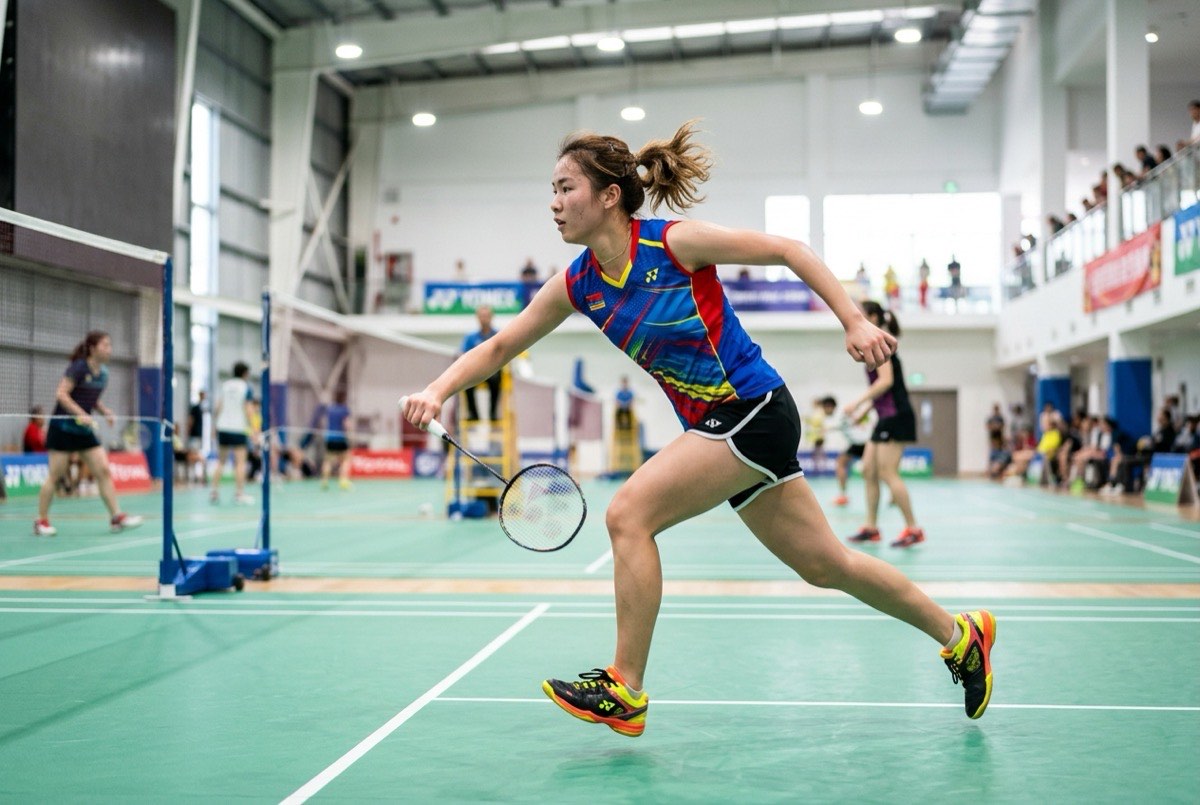
Balance the week
- Skills first when fresh: technique and speed work benefit from fresh legs and a clear head.
- Strength 1–3 times a week: legs (lunges, single-leg work), calves and ankles, hips, trunk, and the racket shoulder. See Strength training.
- Conditioning that matches the game: short, intense efforts with short rests, plus an easy aerobic base.
- A hard badminton session counts as hard training. Avoid stacking heavy legs, jumps or intervals on top of it. The Suggested plan follows this rule.
- Progress gradually (a little more each week) and include at least one full rest day.
Warm up and cool down
Before play: 5–10 minutes of dynamic movement (light jogging, leg swings, lunges with rotation, shoulder circles, split steps, shadow strokes), building to match speed. After play: easy movement, gentle stretching and calm breathing. See Recovery & mobility workouts.
Recovery basics
- Sleep is the most powerful recovery tool.
- Eat and drink enough to fuel training. Badminton halls can be hot, so rehydrate.
- Use easy days and deload weeks during busy competition periods.
Common problems in badminton (awareness only)
| Area | Typical issue | Prevention-minded habits |
|---|---|---|
| Ankle | Sprains from landing or rolling sideways | Court shoes, balance and calf strength, good landing technique |
| Achilles / calf | Tendon overload, calf strains | Gradual load increases, calf raises, warm up properly |
| Knee | Patellar tendon pain ("jumper's knee") | Lunge control, leg strength, managing jump volume |
| Shoulder | Overuse from overhead hitting | Rotator cuff and shoulder-blade strength, technique, rest |
| Elbow / wrist | Lateral elbow pain, wrist strain | Relaxed grip, correct grip size and tension, forearm conditioning |
| Lower back | Stiffness, strain | Trunk strength, hip mobility, lunging rather than bending |
Not medical advice. Stop if you feel sharp pain, dizziness, chest pain or unusual breathlessness. Pain that persists or affects your movement should be assessed by a doctor or physiotherapist. No exercise guarantees injury prevention.
Enjoying ShuttleScience?
It's free. If it helped your game, you can support it.