Badminton Handbook · Chapter 5 of 16
Shuttlecocks
Feather vs nylon, official specifications, speed ratings and testing a shuttle.
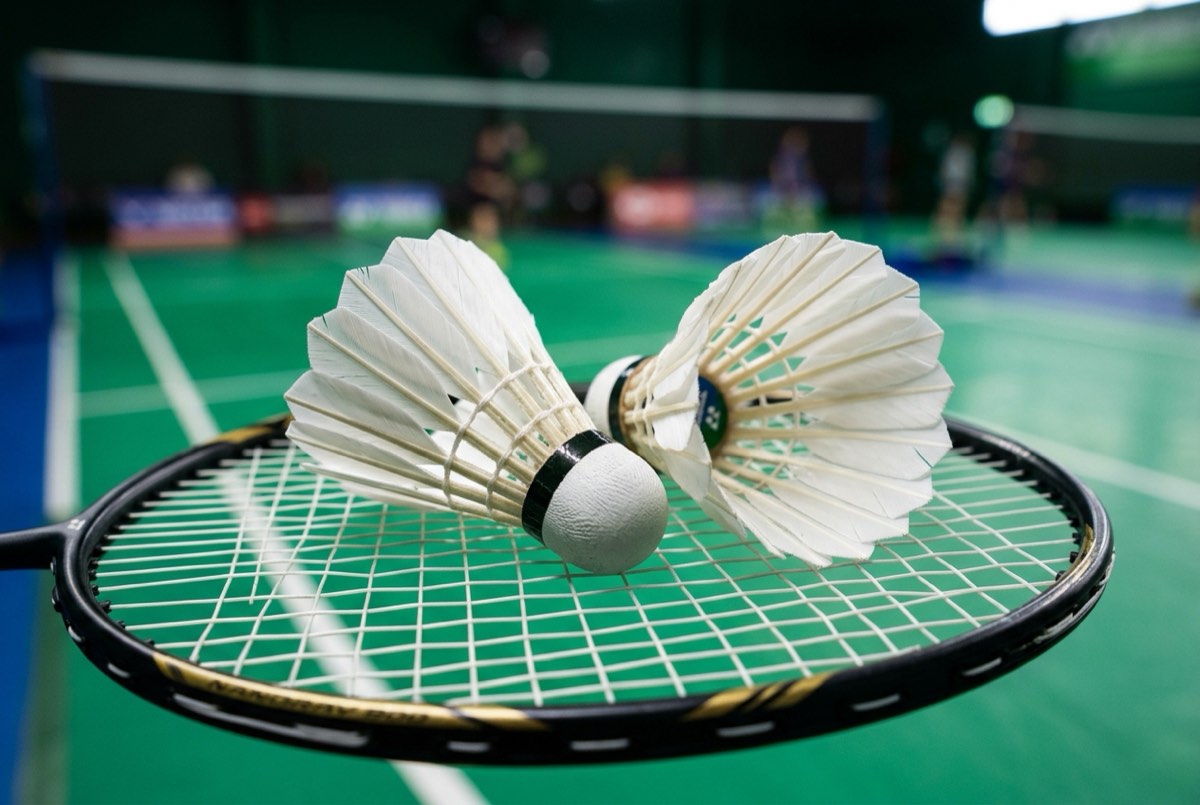
Official specification (feathered shuttle)
- 16 feathers fixed in a cork base covered with thin leather
- Feather length 62–70 mm; feather tips form a circle 58–68 mm across
- Base diameter 25–28 mm, rounded on the bottom
- Weight 4.74–5.50 g
- Synthetic (nylon/plastic skirt) shuttles must fly similarly; up to 10% variation in measurements is allowed for them.
Feather vs nylon
| Feather (goose/duck) | Nylon / synthetic | |
|---|---|---|
| Flight | Crisp, true flight; sharp deceleration; tight net shots possible | Slightly different flight (floats more on some shots, can be faster at the end) |
| Durability | Fragile; feathers break with heavy play | Much more durable |
| Cost | Higher | Lower |
| Best for | Club, competition, advanced technique | Beginners, practice, children, outdoor play |
Speed ratings and testing
Air density changes how far a shuttle flies: in hot or high-altitude places it flies further, in cold places shorter. Manufacturers therefore sell shuttles in different speeds (often numbered, e.g. 76–79, or 1–3; check the maker's chart). Choose a slower shuttle when it is warm or high up, and a faster one when it is cold.
The official test: stand at one back boundary line and hit the shuttle with a full underhand stroke, upwards and parallel to the side lines. A correct-speed shuttle lands 530–990 mm short of the opposite back boundary line.
Care: store feather shuttles in their tube, slightly humid and cool (dry feathers break). Do not crush the tube.
It's free. If it helped your game, you can support it.