Move Them Around: The Four-Corner Plan for Singles
Why singles is a game of distance, and a simple plan for making your opponent run further than you.
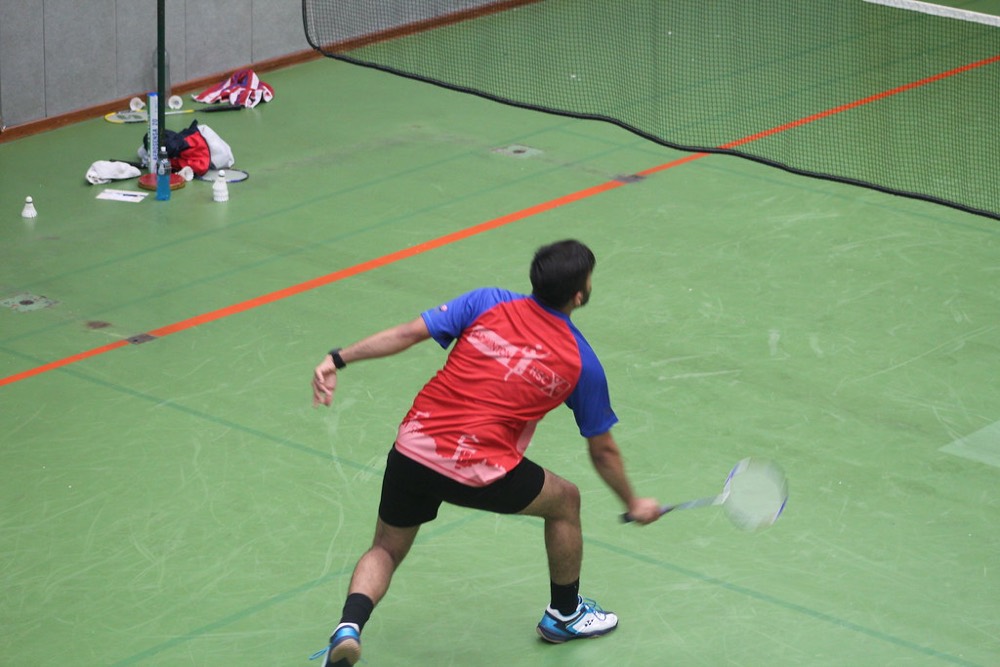
Singles is a contest of distance. Whoever travels further, recovers later, or arrives off-balance more often usually loses the rally. You do not need to hit winners. You need to make your opponent cover more court than you do.
Think in diagonals
The longest distance on a court is the diagonal: front forehand corner to rear backhand corner, and the other way round. A deep clear to one rear corner followed by a drop or net shot to the opposite front corner forces the longest possible run. Even if they reach it, their reply is often weaker.
A simple three-shot pattern
- Push them deep with a high clear or lift to a rear corner.
- Watch the reply. If it is short or lands mid-court, you have time.
- Go short on the other side with a drop or net shot. Then step forward, ready to pounce on a weak lift.
Recover to the right place
After each shot, return towards base, adjusted slightly towards where you sent the shuttle. If you hit to their backhand rear corner, their best replies come from there, so shade your base that way.
Common mistakes
- Hitting to the same corner twice in a row, which lets them settle.
- Going for the front corner from a poor position (late, low contact), which gives them an easy kill.
- Admiring your shot instead of moving.
Key takeaways
- Singles is won on distance, not winners.
- Use the diagonals: deep one side, short the other.
- Recover after every shot, shaded towards where you hit.
It's free. If it helped your game, you can support it.